
Trézor Bridge® | Introducing the New Trezor® App
Trezor Bridge connects your Trezor hardware wallet with compatible desktop applications, supporting secure device communication, wallet access, account management, and cryptocurrency transactions.
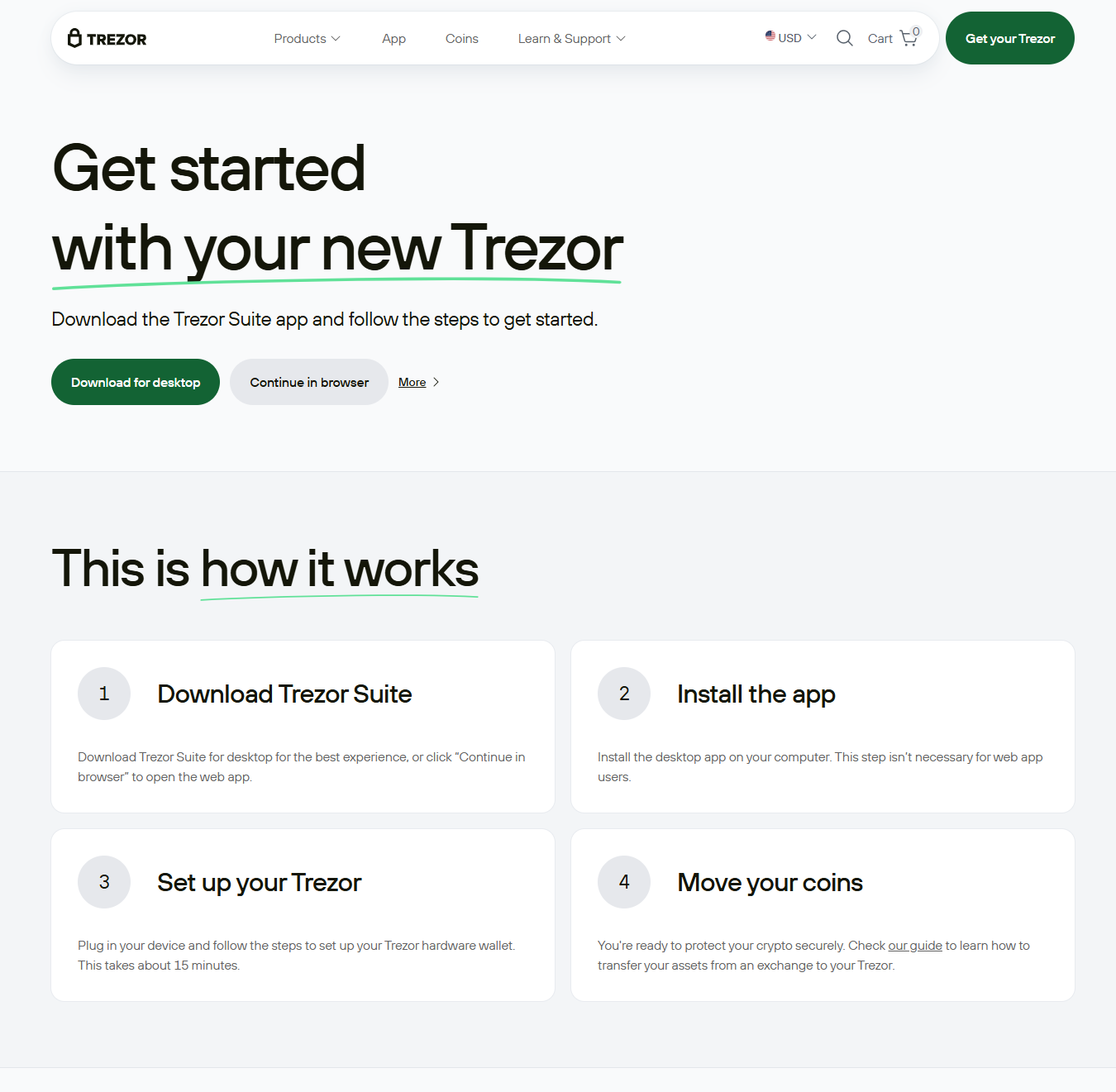
Trezor Bridge: A Practical Guide to Secure Wallet Connectivity
Connecting a hardware wallet to a computer should be simple, reliable, and security-focused. Trezor Bridge helps compatible software communicate with a Trezor hardware wallet, creating a connection that allows users to interact with their device while keeping important wallet operations tied to the hardware.
Understanding Trezor Bridge
Trezor Bridge is software that facilitates communication between a Trezor hardware wallet and compatible applications. It works in the background so supported wallet interfaces can recognize and communicate with the connected device.
Rather than functioning as a cryptocurrency wallet itself, Trezor Bridge serves as a communication component. The Trezor device remains responsible for sensitive operations involving wallet security and transaction authorization.
Why Use Trezor Bridge?
A hardware wallet is built to keep private keys protected within dedicated hardware. When users manage cryptocurrency through a computer, communication between the wallet application and physical device is necessary.
Trezor Bridge helps establish this communication while allowing the hardware wallet to remain part of the security process. This can make connecting a Trezor device to supported desktop or browser-based interfaces more convenient.
Preparing Your Computer
Before installing or using Trezor Bridge, make sure your computer has a trustworthy operating system and current security updates. Avoid using unfamiliar computers for important wallet operations whenever possible.
Close suspicious applications and be cautious with browser extensions that you do not recognize. Cryptocurrency security depends on both the hardware wallet and the environment in which it is being used.
Installing Trezor Bridge
If your wallet setup requires Trezor Bridge, download it from a legitimate Trezor source rather than an unknown third-party website. Fake wallet applications can be designed to imitate genuine software and steal sensitive information.
Follow the installation instructions carefully. You should never need to provide your recovery phrase simply to install or configure communication software.
Connecting Your Trezor Device
After the appropriate software is installed, connect your Trezor hardware wallet to the computer using a suitable connection. Open the compatible wallet interface and allow it to detect the device.
If the device asks you to confirm an action, read the information shown directly on the Trezor screen. The physical device provides an important verification point before sensitive actions are approved.
Managing Wallet Activity
Once the connection is established, compatible software can provide access to supported wallet-management functions. Depending on the software and device configuration, users may be able to view accounts, monitor balances, review activity, and prepare cryptocurrency transactions.
The exact features available can vary by wallet software, supported asset, and Trezor model.
Verifying Transactions Carefully
Transaction verification is one of the most important parts of hardware-wallet security. Before confirming a transaction, review the recipient address, amount, and other available details.
Never approve a transaction just because it looks correct on your computer. Compare important information with what is displayed on the physical Trezor device. If something does not match your intended transaction, stop and investigate.
Protecting Your Recovery Information
Your wallet recovery information should remain private at all times. Store it securely offline and follow the security guidance provided with your device.
Never type your recovery phrase into Trezor Bridge, a website, a browser popup, an email, or a support chat. Legitimate wallet software should not require your recovery phrase for routine communication or device connection.
Recognizing Phishing Attempts
Scammers may create websites, advertisements, applications, and support profiles that imitate legitimate Trezor services. Their goal may be to convince users to disclose sensitive wallet information.
Be suspicious of urgent messages claiming that your wallet is locked, compromised, or about to be deleted. Avoid clicking unexpected wallet-related links and verify software sources independently before installing anything.
Troubleshooting Connection Problems
If your Trezor device is not detected, begin with basic checks. Confirm that the hardware wallet is connected correctly and that the relevant software is installed and current.
You can also restart the compatible application and reconnect the device. If the problem remains, consult trusted Trezor documentation instead of following instructions from unknown social media accounts or unsolicited support agents.
Keeping Your Wallet Secure
Good security habits are just as important as reliable connectivity. Keep your recovery information private, verify transactions on the physical device, use trusted software, and maintain awareness of phishing attempts.
Do not allow another person to control your wallet simply because they claim to be providing technical support. You should remain in control of your device and sensitive wallet information.
Final Thoughts
Trezor Bridge provides an important communication link between compatible wallet software and Trezor hardware wallets. Understanding its role can make the setup process easier while helping users maintain sensible security practices.
For safer cryptocurrency management, always obtain software from trusted sources, verify transactions on the hardware device, protect recovery information, and remain cautious when encountering unexpected wallet-related messages.
Updated about 8 hours ago